

Capability
What we do
Six lines of work, each with delivered projects behind it.
01
Project consulting
Feasibility to handover
Feasibility, sizing and procurement advice on energy and infrastructure projects, carried through tender documentation and construction supervision. Engagements run either as advisory scope alone or as the front end of a project the division then delivers.
02
Renewable energy
Solar EPC
Grid-tied and captive photovoltaic plant taken from feasibility through procurement, construction and commissioning. Modules and balance of plant are sourced through our manufacturer relationships.
03
Electric mobility
Fleet supply & handover
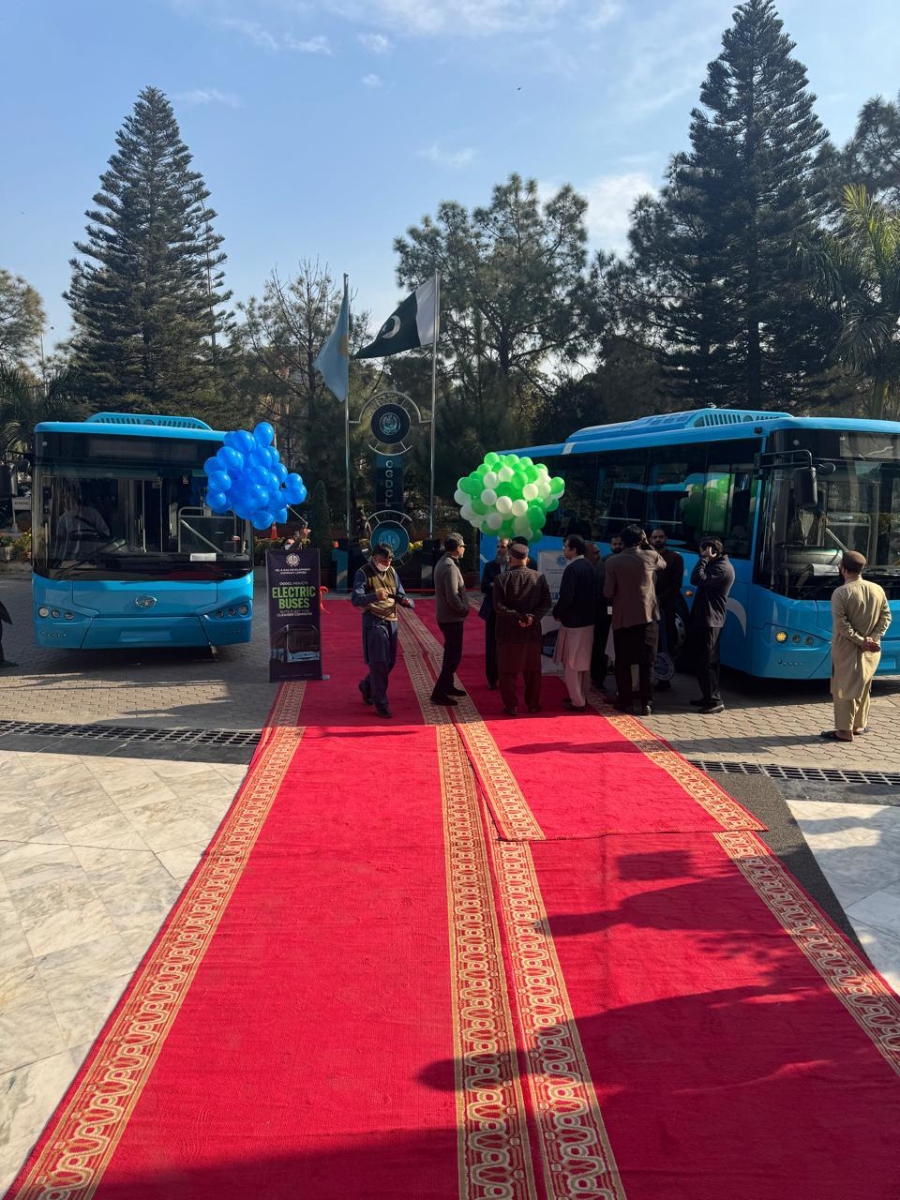
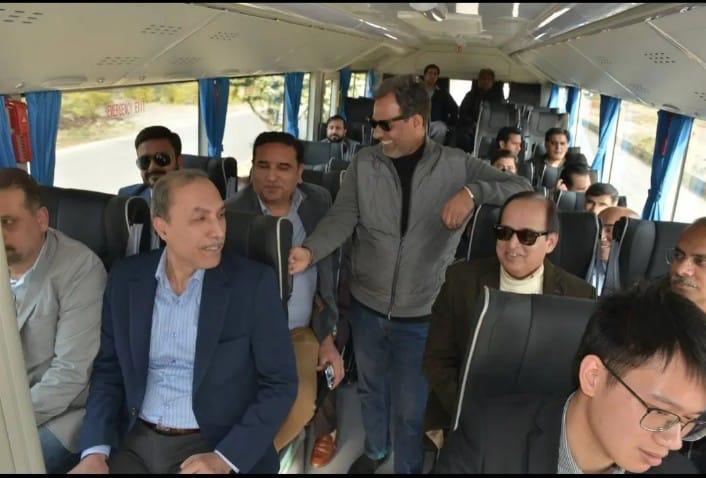
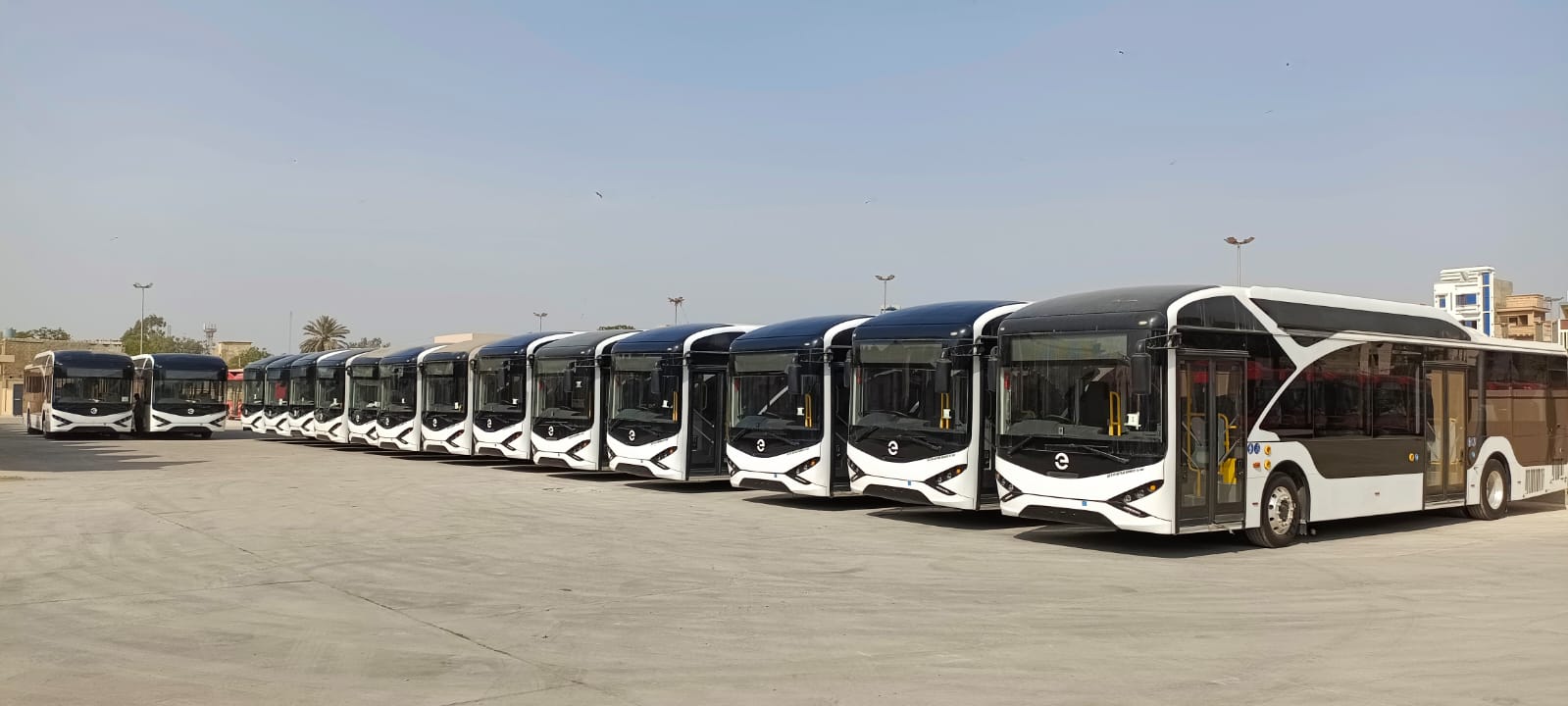
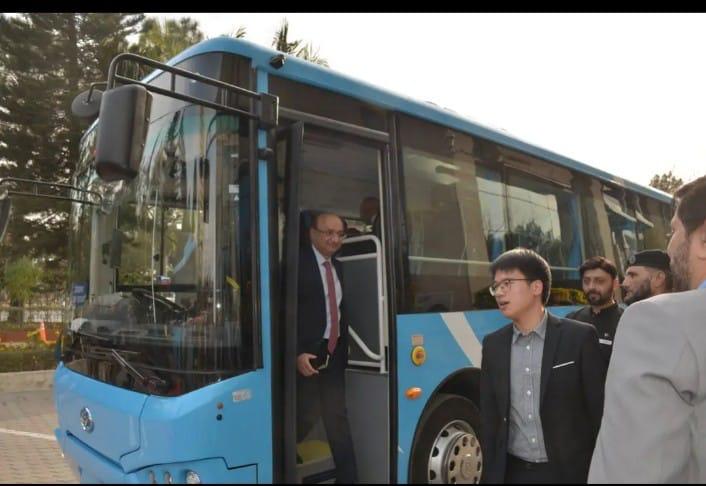
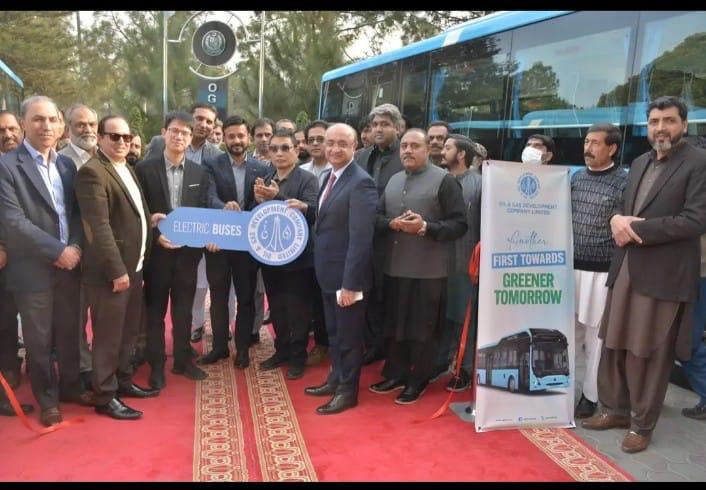
Electric bus supply and handover, working with Chinese rolling stock manufacturers. Scope covers vehicle specification against the operator's routes, delivery, depot charging provision and driver familiarisation.
04
Industrial trading
JV sourcing
Equipment import and joint-venture sourcing across power generation, storage and transport. Manufacturer relationships give access to factory pricing and technical support at source.
05
Agricultural systems
Machinery & inputs
Farm machinery, irrigation equipment and processing plant sourced against the buyer's land, crop and water conditions. Supply runs alongside installation supervision and operator training.
06
Oil & gas support
Supply & services
Equipment supply and support services to upstream and midstream operators, tendered and delivered under their procurement rules. Work covers sourcing, inspection and delivery to site.

Project ledger — energy & trading
Projects since 2023
As of August 2026
07 records
07 records
RefProjectClientYear
01
14 electric buses & charging stations
OGDCL
2025
02
50 electric buses
SMTA
2024–25
03
Centre-pivot irrigation, Cholistan
Green Corporate Initiative
2025
04
Mineral ore export programme (antimony, copper, sillimanite, soapstone talc)
China Wah Yung International
2025
05
Phosphate rock export programme
Wuhan Kangyihong Import & Export
2025
06
2,000 kW solar generation plant *
Diamond Group
2023
07
300 kW residential solar *
Fazaia Colony
2024
Ledger current as of August 2026. * Consultancy projects. Contract figures and commissioning records are released to enquirers rather than published.


Tender, supply or fleet enquiry.
Solar EPC tenders, electric fleet enquiries and equipment supply proposals go direct to the directors' office in Islamabad. Project references and commissioning records are released on request.
Head office
Islamabad, PakistanMon–Fri, 10:00–18:00 PKT
Lines of work
Solar generation — EPCElectric transport — fleet supply
Industrial trading — JV sourcing
Documentation
Client references and commissioningrecords released on request