
How we work
Three stages, run in sequence on every stream.
Reconnaissance, sampling and desk study to establish whether a deposit is worth licensing. Streams that do not clear this stage are dropped.
Licensing, tenure, access and plant design. Equipment is specified and procured against the deposit rather than the other way round.
Installation, commissioning and production, with operator training and supervision from the equipment manufacturer on site.
Four mineral sectors
Each stream sits at a different stage. Region and start date are stated where they apply.
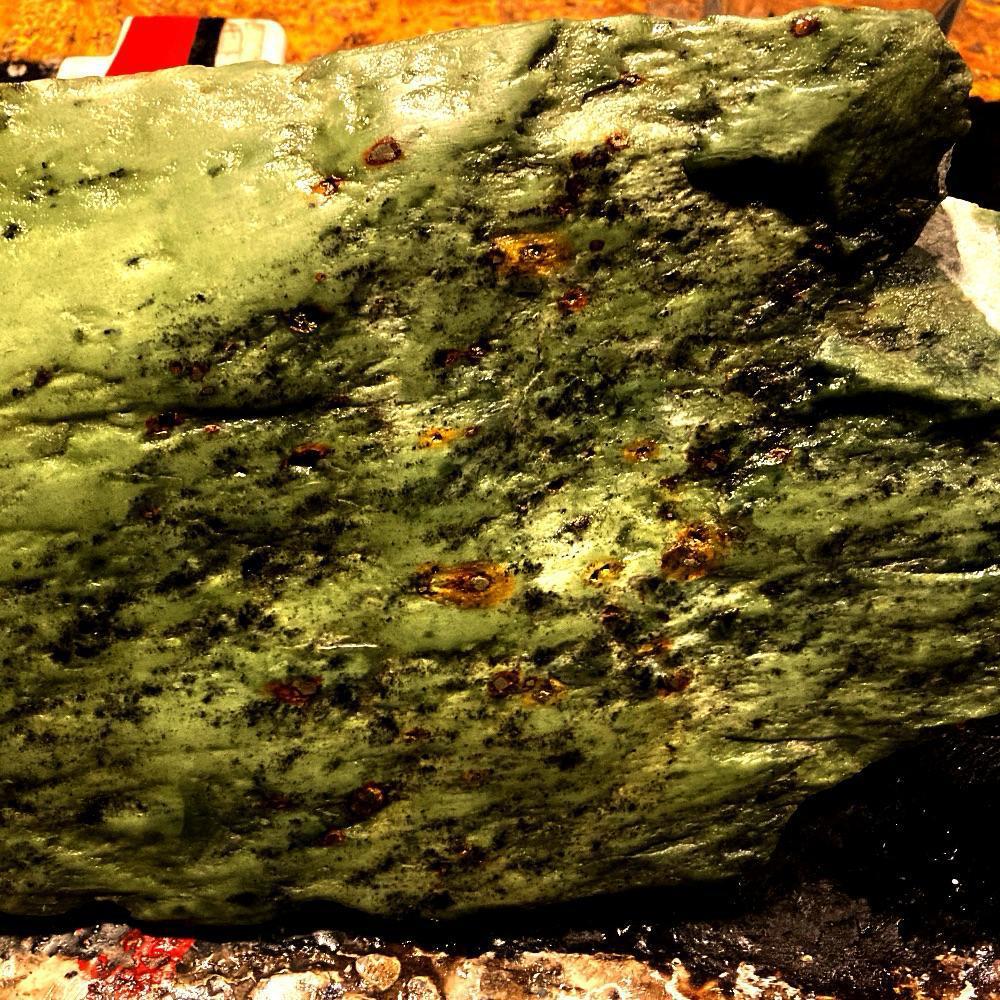
A copper concession held since 2016 and in operation. Survey and sampling programmes are run with local partners alongside production.
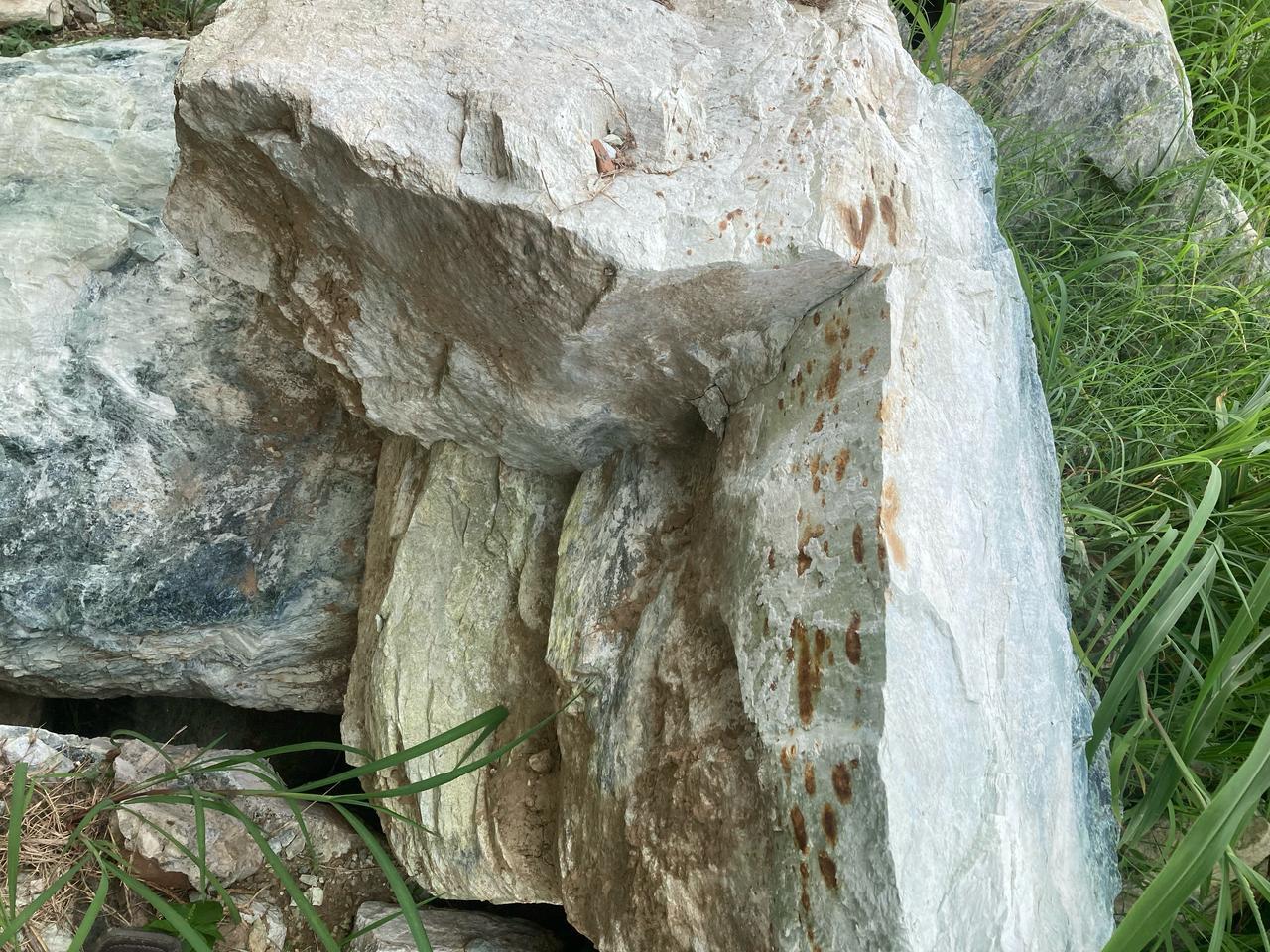
An antimony deposit in Balochistan mined since 2022, supplying industrial and export offtake alongside regional partners.
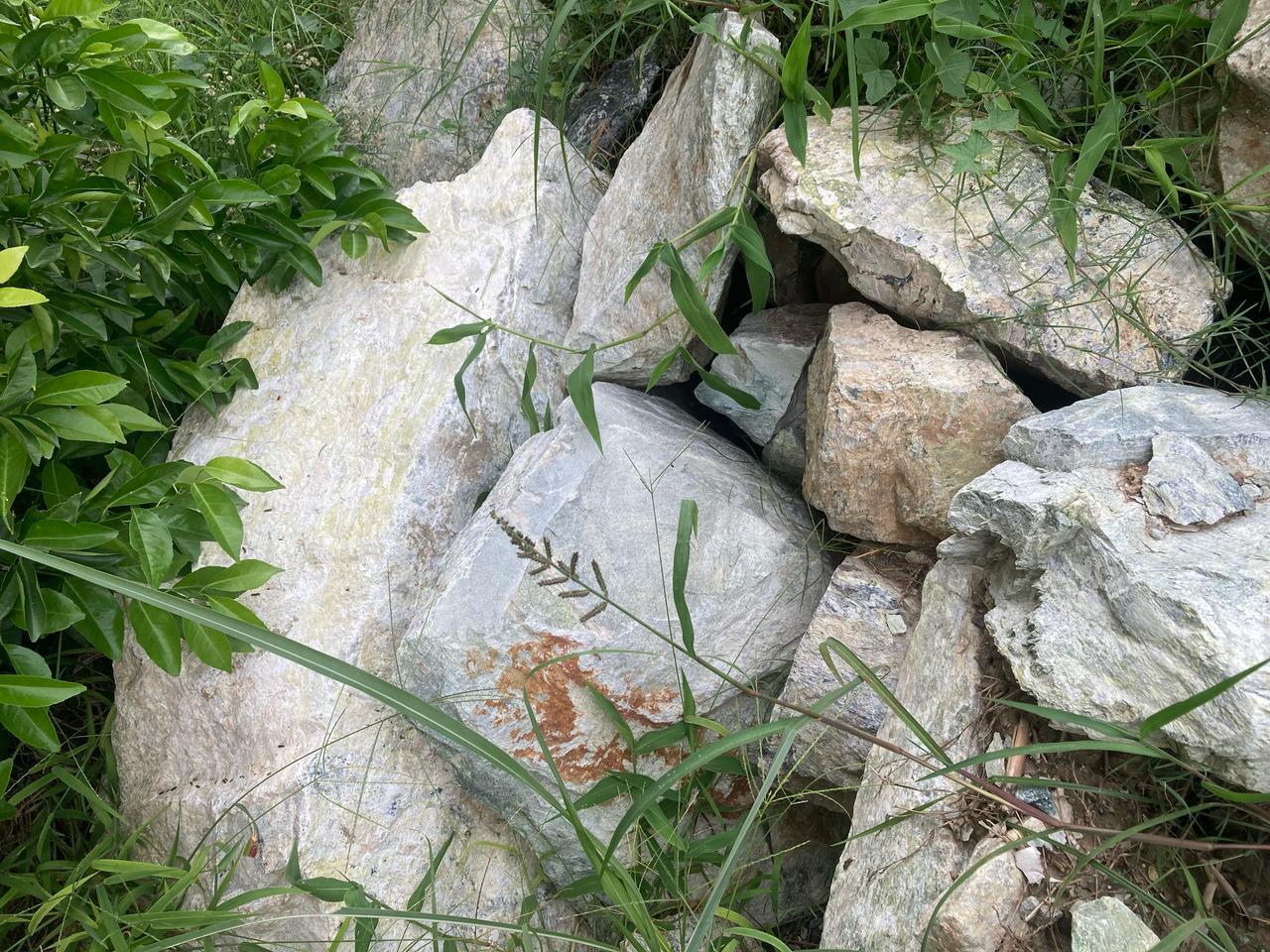
Phosphate in operation since 2024, supplied as fertiliser and industrial feedstock towards domestic processing capacity and blended product.
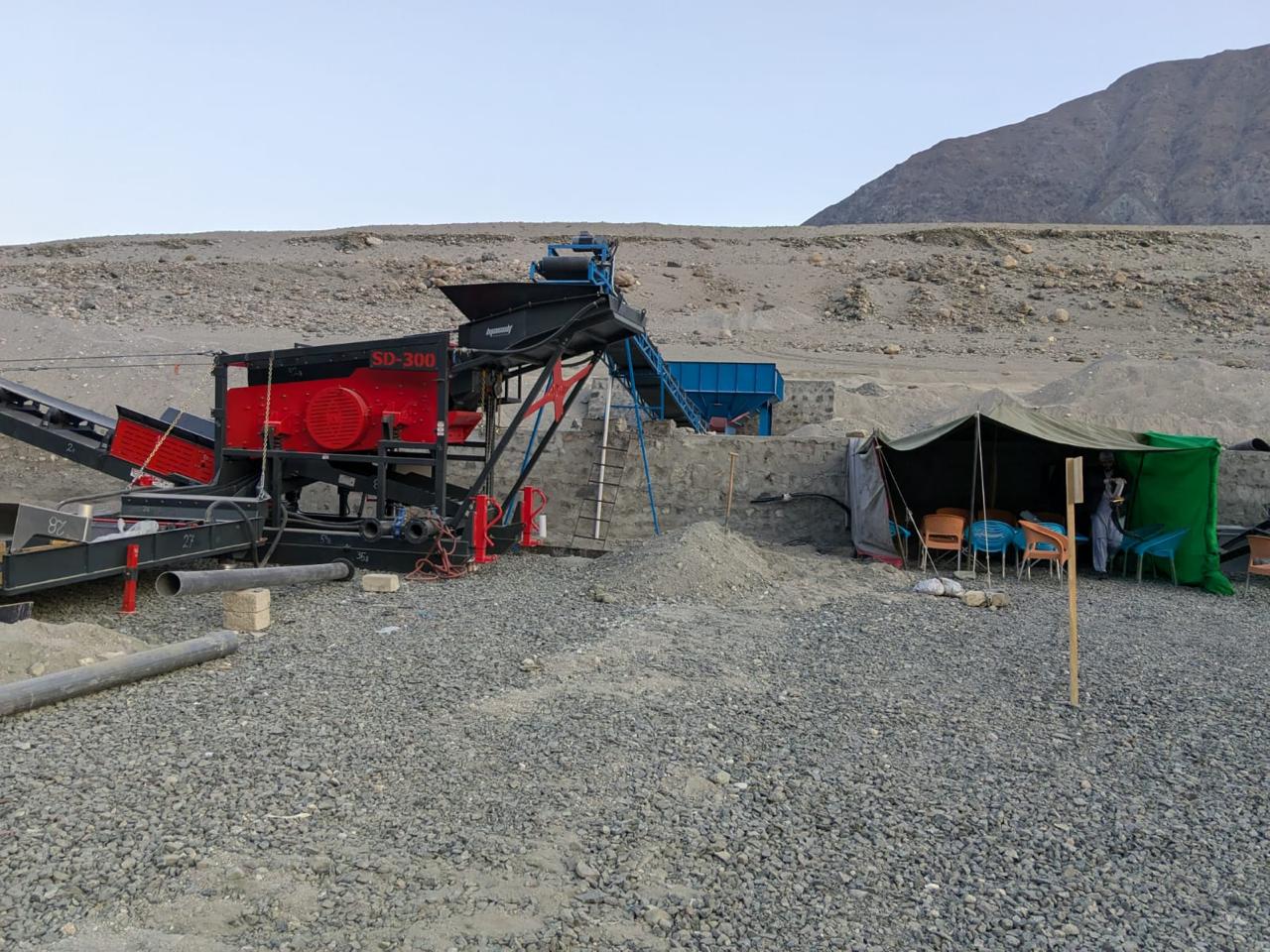
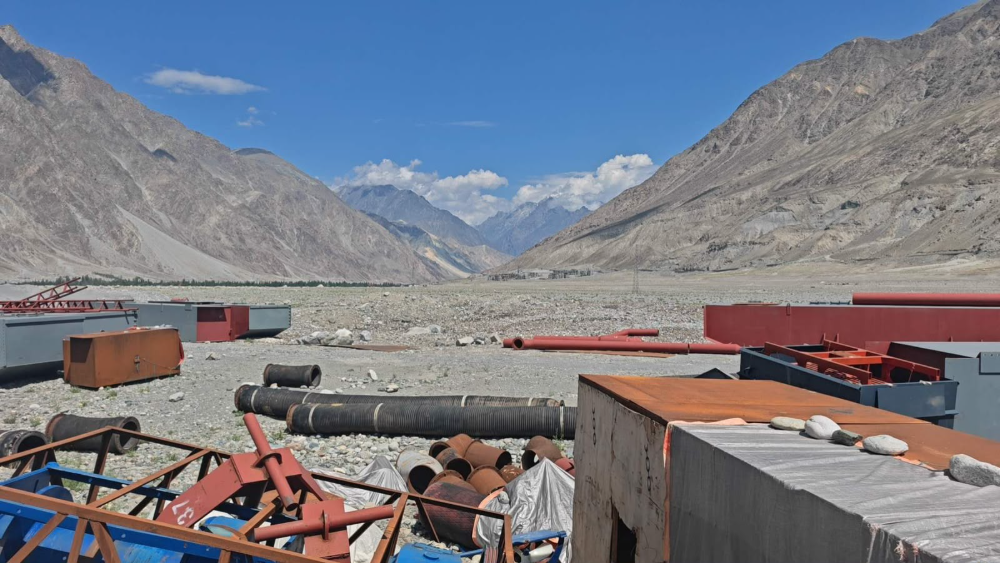
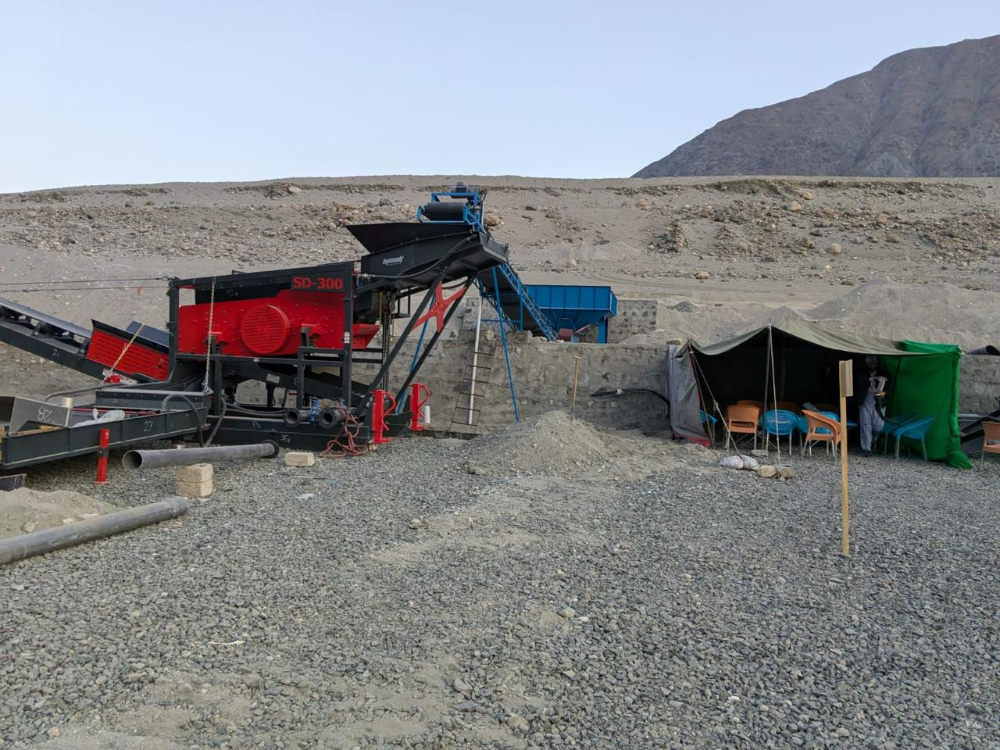
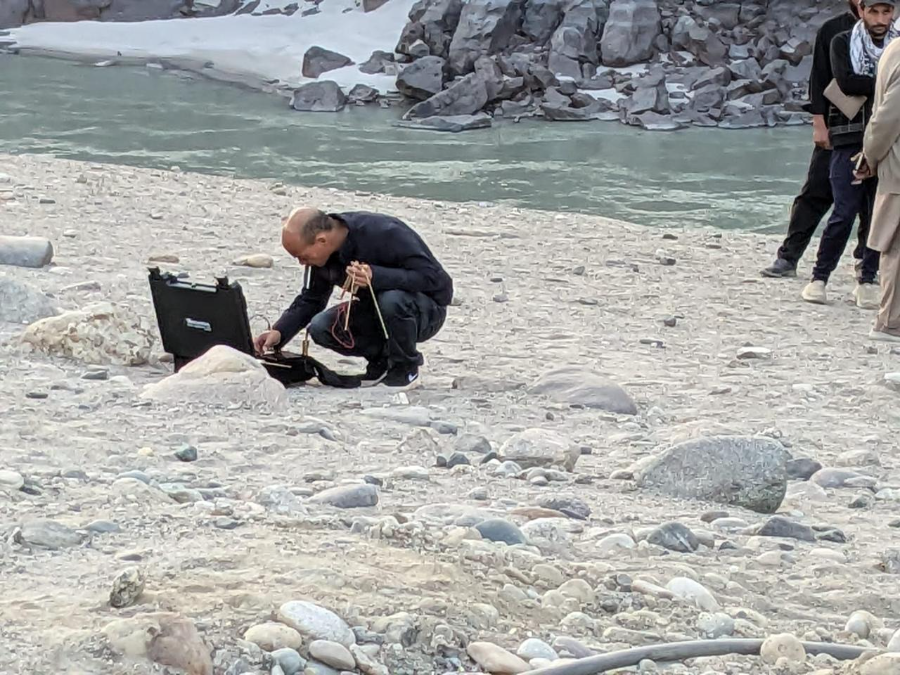
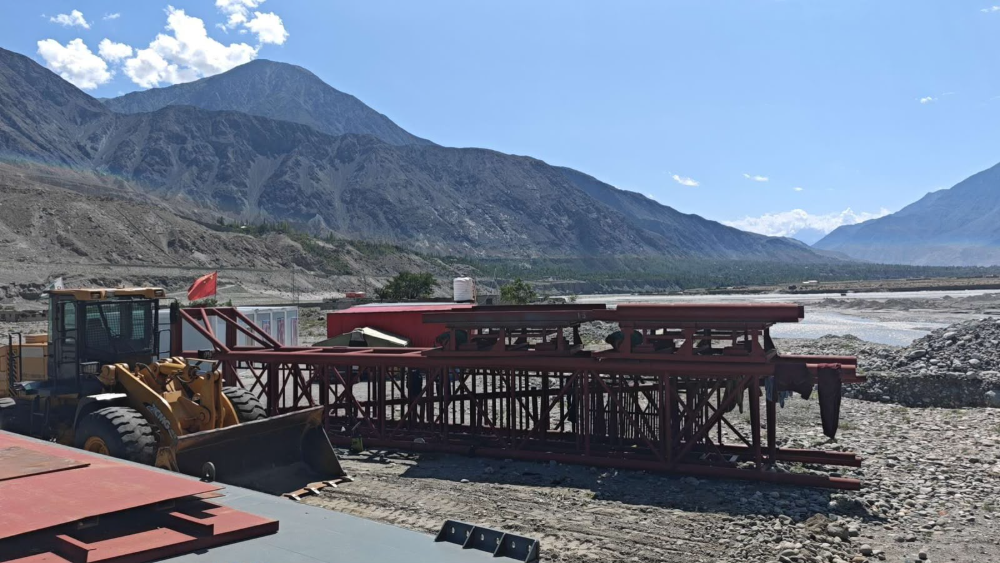
River-terrace and channel deposits worked by dredger and wash plant. An SD-300 plant is installed on site, with material sampling and recovery trials completed on the riverbank.
Mining lease
in place.
The lease covering the placer gold operation is granted and current. Title documents, survey records and technical reports are held on file at the Islamabad office. They are released in full to counterparties in active discussion, under a signed confidentiality agreement.
We do not publish coordinates or reserve estimates on this site. Site-specific data belongs in a data room, not a brochure.
Request documentation →Indicative, at design capacity and August 2026 gold price. Subject to resource confirmation, commissioning and gold price movement.
Where the project stands
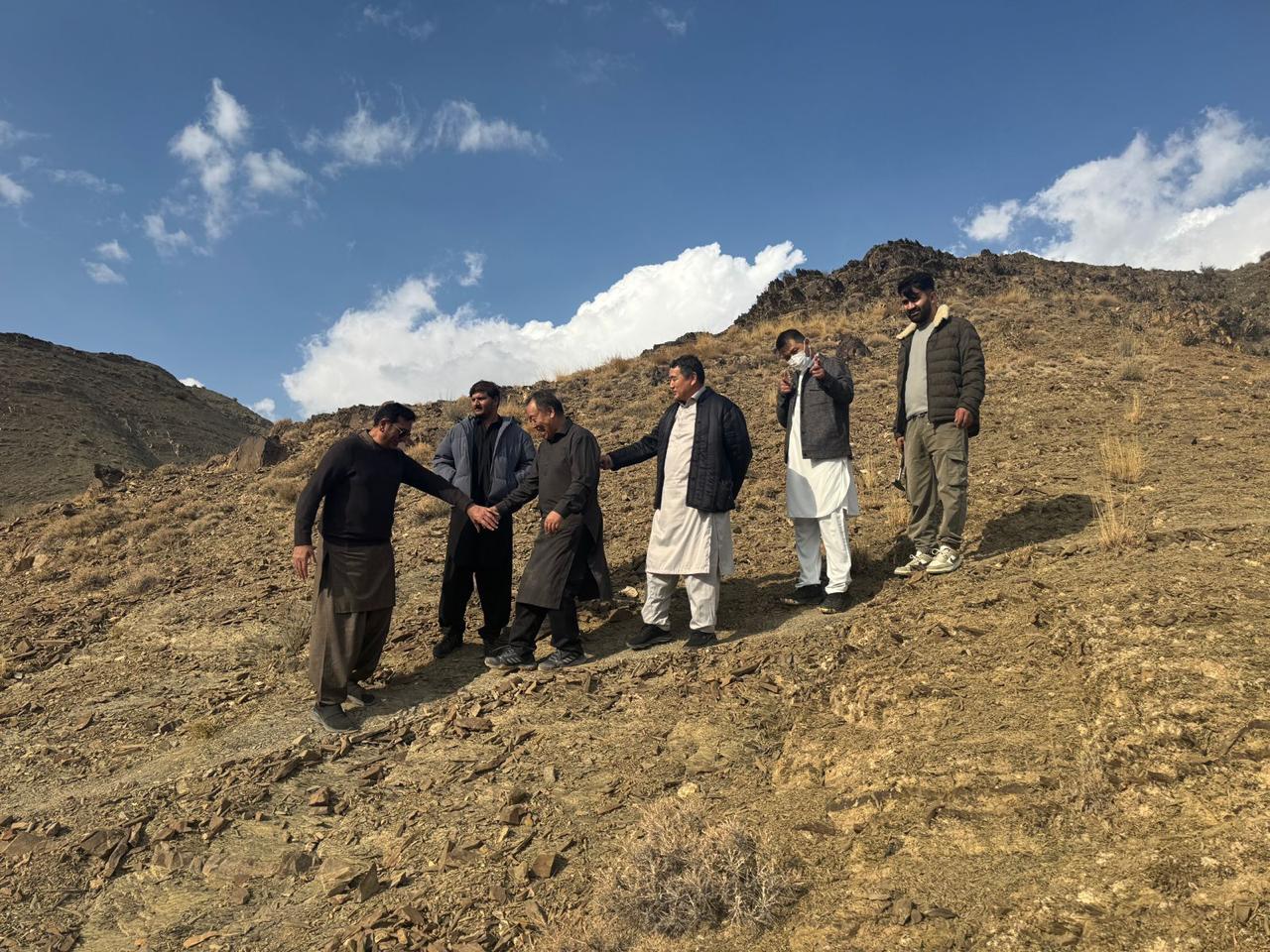
Two stages closed, one under way, one to follow. Stated plainly, and updated as it moves.

Hubei Jinggang Ocean Investment
Our technical partner on the placer gold project is a Wuhan-based mining investment and operating company, founded in 2013, with two wholly-owned overseas subsidiaries and roughly sixty staff. They bring something rare in this sector: prior operating experience running mechanised placer gold recovery at scale, in the field, outside China.
Their role on this project covers dredger fleet supply, wash plant manufacture, installation supervision and operator training.
Offtake, JV or site visit.
Mineral offtake enquiries, joint venture proposals and requests to visit the placer gold operation go direct to the directors' office in Islamabad.
Mon–Fri, 10:00–18:00 PKT
Antimony — Balochistan, since 2022
Phosphate — feedstock, since 2024
Placer gold — Gilgit-Baltistan
under signed NDA